Loading...
Insights & Research
Security Blog
Expert analysis on DNS security, TLS configuration, email authentication, and security posture monitoring — from the CyberShield team.
 api
apiAPI Security Assessment: Beyond REST Status Codes
APIs are the fastest-growing attack surface in modern applications. Learn why status codes alone miss critical vulnerabilities and how to assess authentication, rate limiting, JWT configuration, and endpoint exposure.
CyberShield Team
6 min read
 attack-paths
Attack Path Mapping: Why Chaining Findings Changes Everything
Individual vulnerability reports miss the bigger picture. Learn how attack path mapping chains findings into realistic attack narratives that reveal your actual risk.
CyberShield Team
8 min read
 compliance
Compliance Mapping: How Security Scan Findings Map to NIST, CIS, and ISO 27001
Automated compliance mapping turns raw vulnerability findings into framework-aligned evidence. Here is how scan results connect to NIST 800-53, CIS Controls v8, and ISO 27001 — and why it matters for audits.
CyberShield Team
8 min read
 cve
cveCVE Correlation: Find Known Vulnerabilities by Version
Fingerprint your software versions, match them to the CVE database, and turn invisible risk into a ranked, actionable vulnerability list.
CyberShield Team
8 min read
 pci-dss
PCI DSS v4.0 Compliance Through Continuous Security Scanning
PCI DSS v4.0 shifts from point-in-time assessments to continuous security validation. Learn how automated scanning maps findings to 18 PCI controls and how continuous monitoring satisfies the new requirements.
CyberShield Team
7 min read
 proof-of-concept
Proof-of-Concept Evidence: Safe Red-Teaming Methodology in CyberShield
Proof-of-concept evidence bridges the gap between a vulnerability finding and a credible threat. Learn how CyberShield generates reproduction-ready PoC outputs without active exploitation, supporting compliance frameworks like PCI-DSS and SOC 2.
CyberShield Team
6 min read
 soc2
soc2SOC 2 Type II Audit Readiness: Continuous Monitoring Strategies
SOC 2 Type II audits require evidence of control effectiveness over time, not just at a single point. Learn how continuous security scanning maps to Common Criteria controls and builds the evidence trail auditors expect.
CyberShield Team
7 min read
 waf
wafHow WAF Fingerprinting Works: Detecting 15+ Firewall Vendors
Knowing which WAF protects a target shapes every assessment. See how passive fingerprinting identifies 15+ vendors via headers, error pages, and behavior.
CyberShield Team
7 min read
 vulnerability-assessment
Web Vulnerability Assessment: What Passive Analysis Reveals Without Firing a Single Exploit
Passive web analysis uncovers OWASP-relevant vulnerabilities -- information leaks, form weaknesses, exposed files, and redirect flaws -- without touching a single exploit.
CyberShield Team
9 min read
 security-posture
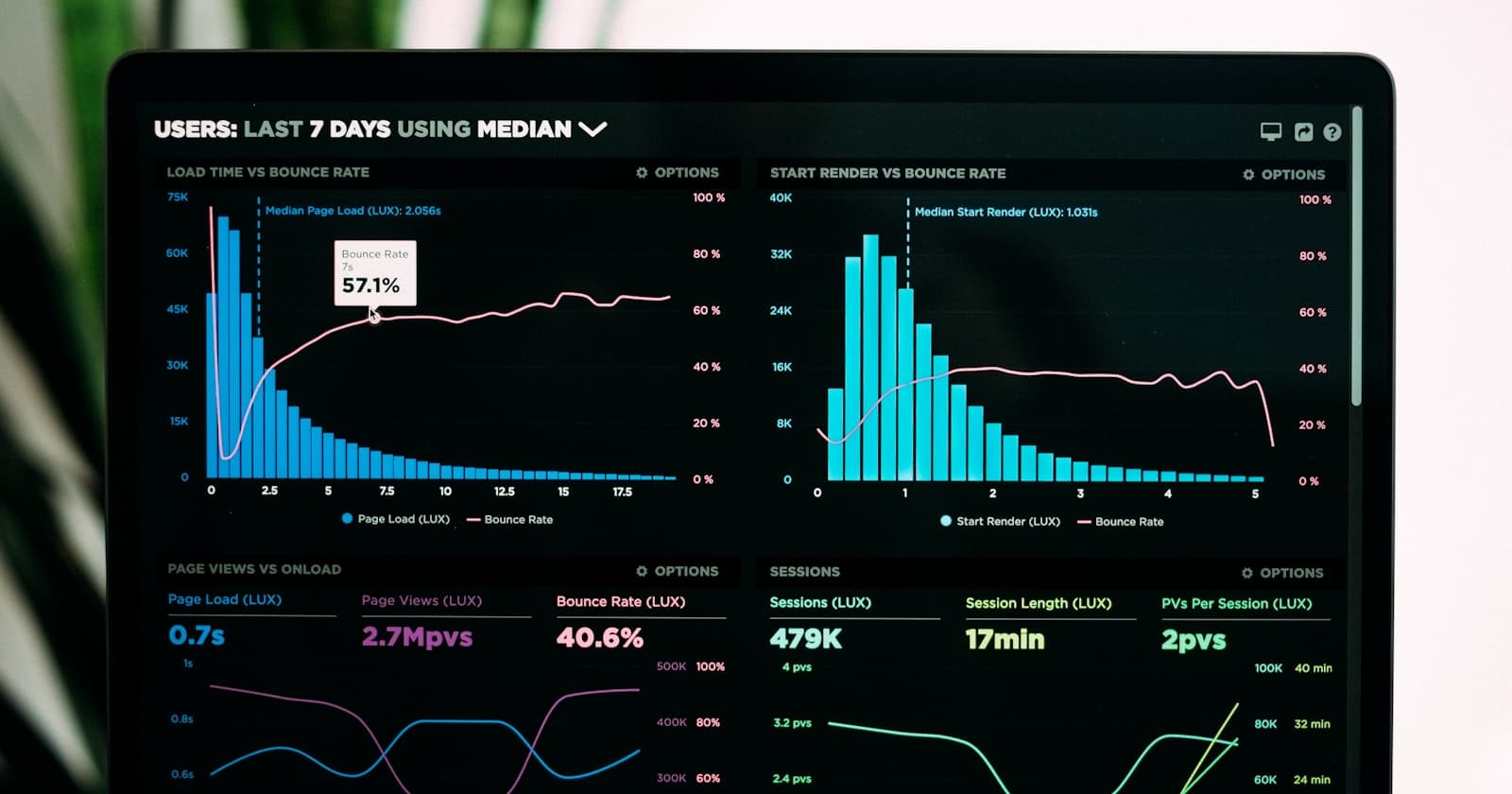
Security Posture Monitoring: Why Point-in-Time Scans Aren't Enough
A single security scan shows where you stand today. But infrastructure drifts daily. Here's why continuous monitoring catches what periodic assessments miss.
CyberShield Team
8 min read
 tls
tlsBeyond the Padlock: What a TLS Audit Actually Reveals
The browser padlock means your connection is encrypted — but encryption alone does not mean secure. Here's what a proper TLS audit examines.
CyberShield Team
8 min read
 email-security
Email Authentication Deep Dive: SPF, DKIM, and DMARC Explained
Email spoofing remains a top attack vector. Learn how SPF, DKIM, and DMARC work together to protect your domain from phishing and business email compromise.
CyberShield Team
9 min read